







Search Results for: Double Anaerobic Washed
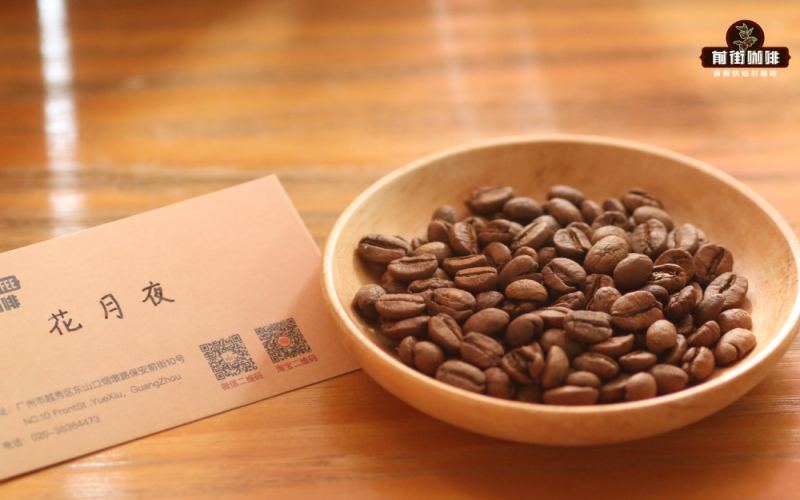
Introduction to Anaerobic Fermentation in Coffee | What Is the Anaerobic Fermentation Processing Method? What Is the Difference Between Anaerobic Natural, Anaerobic Washed, and Double Anaerobic Coffee Processing Methods?
Anaerobic Fermentation has been very popular in the coffee world in recent years, mainly because Sasa Sestic, the Australian competitor who won the 2015 WBC, started this trend, and even in 2018 WB [more…]
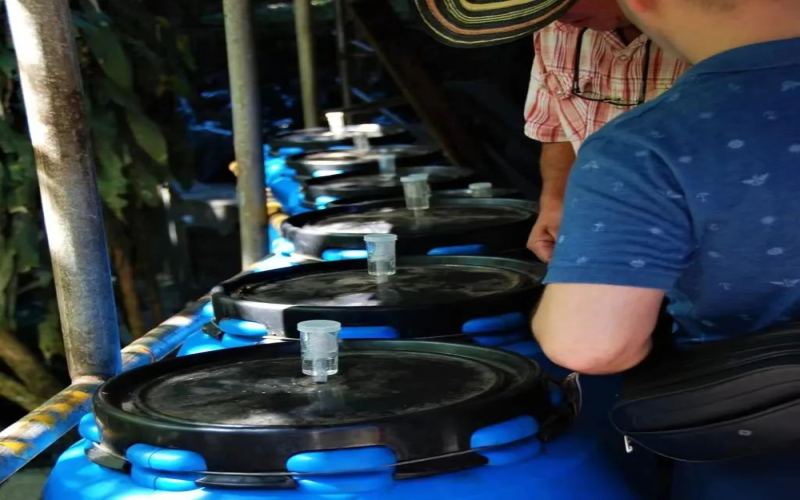
Coffee Enzyme Washed | What Is the Enzyme Washed Coffee Processing Method? How Does the Enzyme Washed Process Work? An Introduction to the Flavor and Taste Characteristics of Colombia Rose Valley Coffee
In recent years, there have been more and more innovative coffee processing methods, and new types of processing such as anaerobic processing, enzyme processing, and carbon dioxide maceration processing have begun to carve out a small niche for themselves. The enzyme-washed processing method that this article will introduce was met with mixed reviews when it first appeared, and now, years later, Front Street will take everyone back to observe this [more…]
The Flavor Alchemy of Processing Methods: A Craft Revolution from Washed to Anaerobic
From the same estate, the same variety, and the same harvested batch of coffee cherries, the flavor in the cup can be as different as two distinct beans—simply because of a different processing method. This is the magic of coffee processing. In the microscopic world, it uses microorganisms and time to perform the alchemy of flavor. The washed method is the oldest mainstream technique, and its logic is "to do [more…]
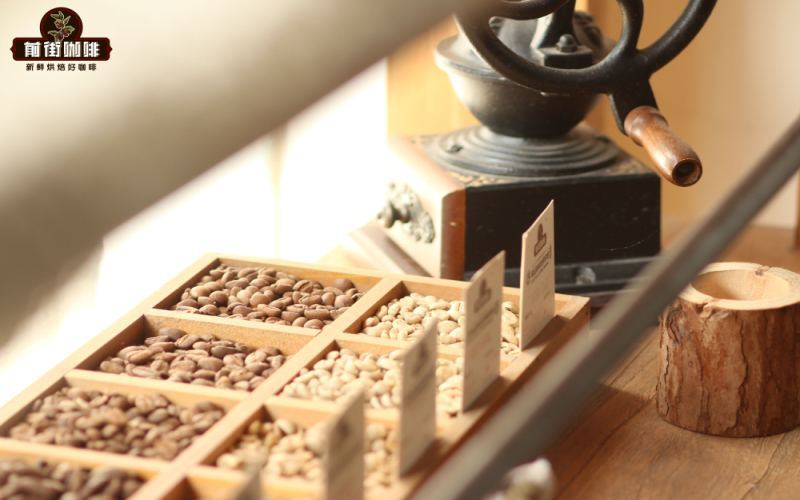
A Complete Guide to Colombian Coffee Regions: From Huila Everyday Beans to Finca El Paraiso Cherry Blossom – Flavors and Pour-Over Tips
Colombia is one of the few single-origin coffee-producing countries that sells worldwide under its national name, and the complex terrain along its Andes Mountains has created a flavor spectrum from north to south, each with its own character. From the perspective of Front Street Coffee's bean selection, this article sorts out the flavor differences among Colombia's three major growing regions—northern, central, and southern—with a focus on the dark chocolate and caramel notes of Huila's everyday drinking beans, and an in-depth analysis of Finca El Paraiso Sakura, a double anaerobic washed bean with its unique spice aroma and strawberry jam finish. At the end, it includes the V60 pour-over parameters and staged pouring steps used by Front Street Coffee baristas, helping enthusiasts reproduce at home this cup of Colombian flavor that combines floral and fruity acidity with a full-bodied mouthfeel. [more…]
Exploring Floral and Fruity Regions: The Fruity Code of Ethiopia and Kenya
When exploring the regions that produce floral and fruity coffee, Ethiopia and Kenya are two origins you simply cannot avoid. These two African regions have distinctly different floral and fruity styles, and once you understand their respective fruity codes, you can precisely match your own taste preferences when choosing beans. Ethiopia is the native birthplace of Arabica, and its floral and fruity notes are characterized by tropical [more…]
Fruity Aroma Gene Bank: A Profile of Origins and Processing Methods Behind Floral and Fruity Coffee Beans
The floral and fruity aromas of coffee are not magic conjured by the roaster, but genes written into the terroir of the producing region and the processing method. Flip through the origin records of the mainstream floral and fruity bean varieties on the market, and you will find that behind every fruity note lies a traceable origin story. The opening volume of the records is Ethiopia. As coffee's [more…]
Advanced Cold Brew Bean Selection: How to Read Origin, Processing Method, and Roast Level
After trying a few cold brews, many people ask: with the same method, why do some cold brews taste like fruit juice while others taste like cold bitter water? The answer isn't in the method, it's in the beans. Today, we'll cover cold brew bean selection thoroughly in one go, from three dimensions: origin, processing method, and roast level. Origin determines the flavor baseline. Coffee beans from different origins have flavors [more…]
Flavor Experiment with Low-Temperature Slow Extraction: Differences in Cold Brew Across Different Processing Methods
The most fascinating thing about cold brew is that it works like a slow-motion projector: the flavor release that hot extraction completes in a few dozen seconds is stretched out over more than ten hours, and the character of every flavor compound is amplified and put on display. Running a set of cold brew comparison experiments with beans processed in different ways lets you directly see how each processing method truly expresses itself at low temperatures. The experiment is set [more…]
The Flavor Spectrum of Experimental Processing Methods: From Barrel Fermentation to Anaerobic Maceration
Anaerobic natural, lactic fermentation, barrel-aged, yeast inoculation—the vocabulary of specialty coffee processing methods has exploded in recent years, and coffee menus increasingly read like a brewery's process manual. These experimental processing methods are not marketing coinages; each one corresponds to a genuine technological innovation. This article maps out the mainstream lineage and examines "flavor alchemy." [more…]
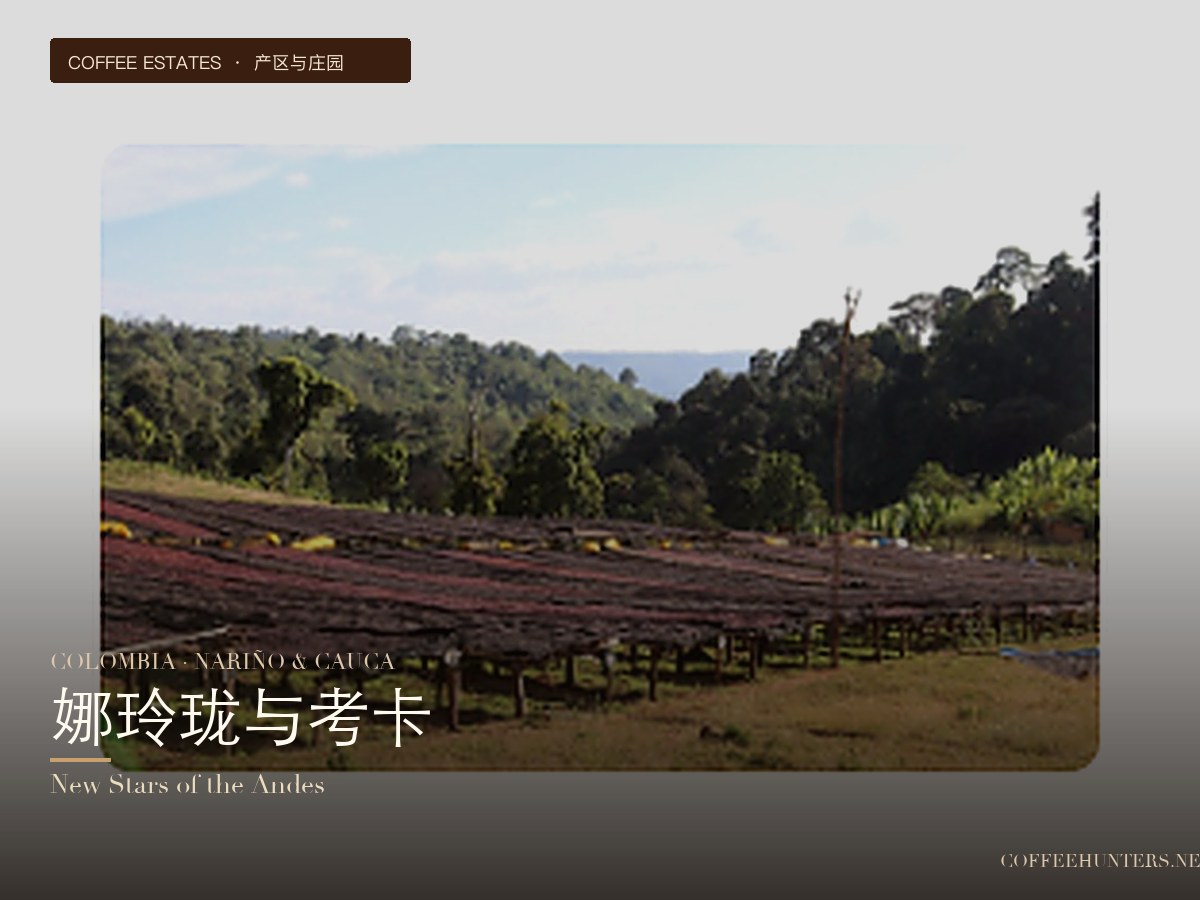
Colombia · Narino and Cauca: High-Scoring New Stars of Specialty Estates
Nariño and Cauca are two neighboring emerging specialty coffee regions in southern Colombia. The coffee produced here has, for consecutive years, earned high scores in the Cup of Excellence thanks to its full-bodied tartaric acidity, pronounced fruity notes, and complex layers. [more…]
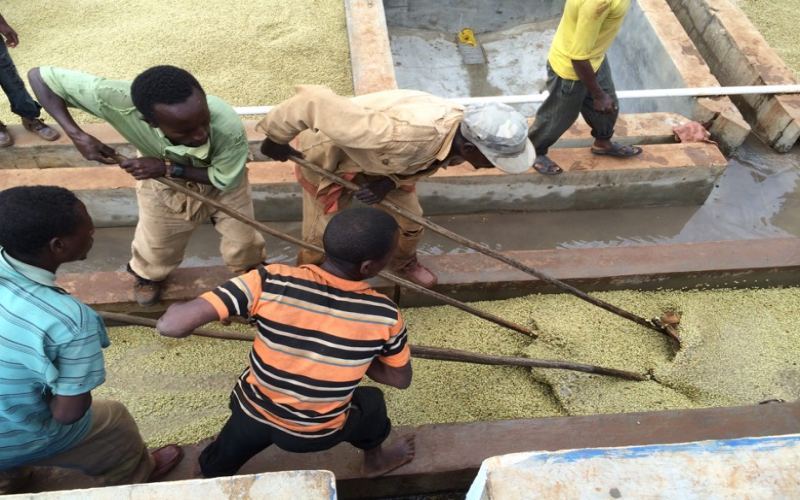
Parchment Estate: The Washed Geisha That Missed Champion by Just 0.25 Points
In the 2026 BOP Washed Geisha category, Elida Estate took the category championship with 96.25 points, which was also the highest score overall. Close on its heels was a small estate still unfamiliar to most—Finca El Pergamino, with 96.00. [more…]

Coffee Flavor | Why Do Some Coffees Taste Like "Soy Sauce"? What Factors Affect Coffee Flavor? How to Avoid a "Soy Sauce" Taste in Coffee?
“Huh? Why does this coffee smell kind of like soy sauce?” a customer asked cautiously, full of confusion, after sniffing the dry aroma of the coffee grounds Front Street had handed over. This was not actually the first time Front Street had received such a question. Besides “soy sauce,” there were also things like “ [more…]
Home Coffee Beans | Which Tastes Better: Single-Origin, Pour-Over, or Blend Coffee? Must-Buy Quality Coffee Bean Recommendations for Beginners Using Pour-Over, Espresso, or Moka Pot
If you enjoy drinking coffee, you may come across several terms related to coffee bean classification: "blended coffee beans," "single-origin coffee beans," and "pour-over coffee beans." In this article, we will uncover the meanings behind these terms and help beginners understand how to choose the right coffee beans for home use. 1. Blended coffee [more…]
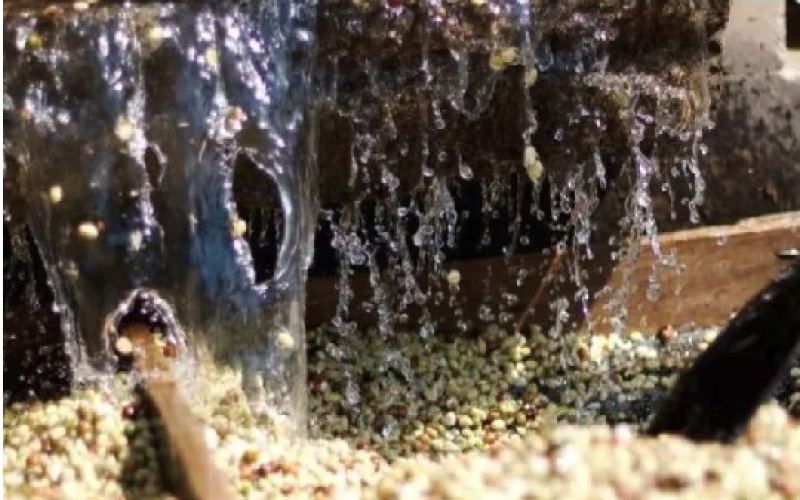
"The coffee processing method" is what? natural , washed , and honey processing method.
The processing method of coffee has always been the key link in the refined processing of green coffee beans. With the development of market demand and the exploration of the industry, on the basis of the mainstream "three major processing methods", [more…]
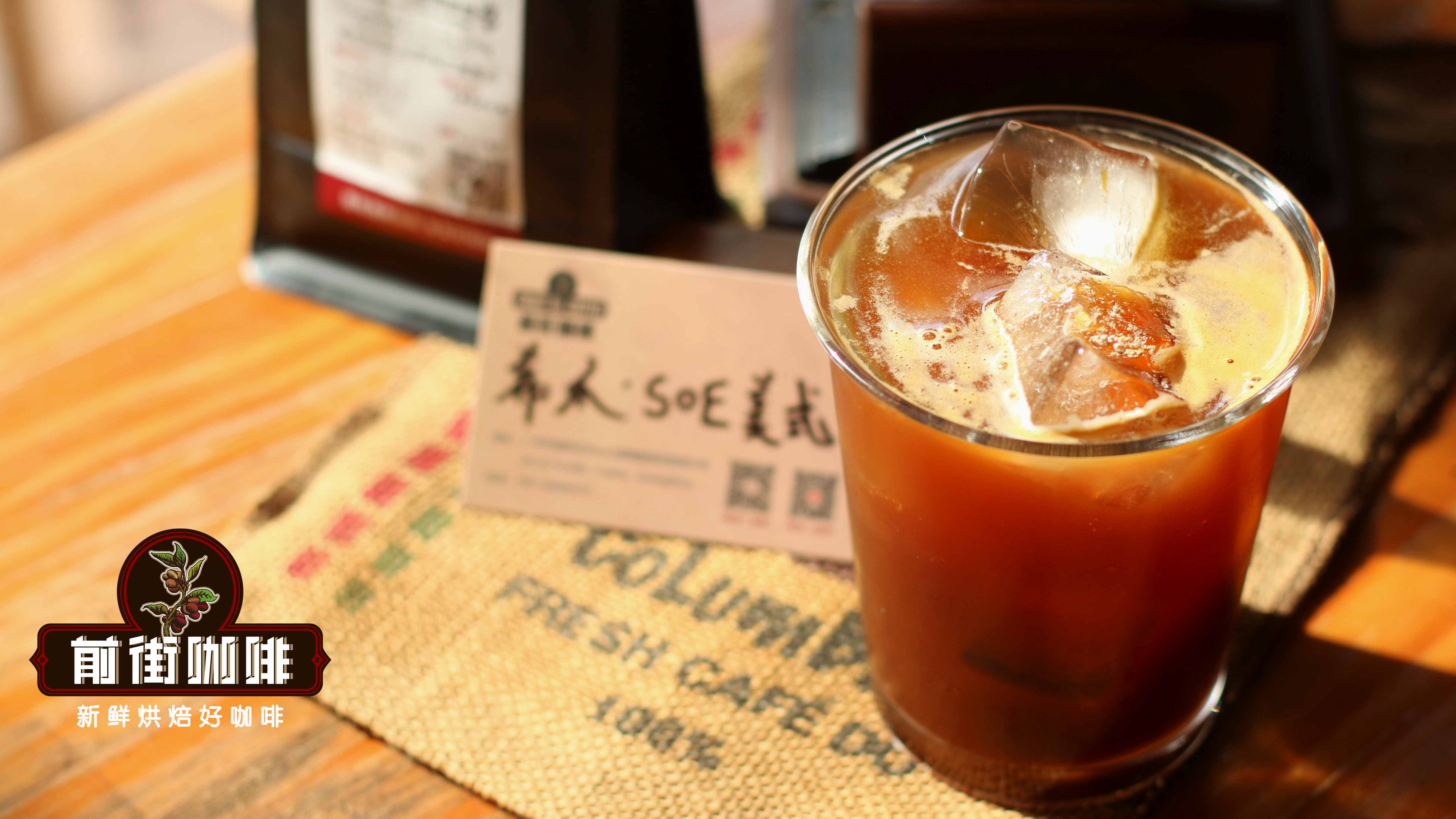
Single-Origin Espresso Bean Recommendations | Is SOE Coffee Related to Pour-Over? What's the Difference in Flavor Characteristics Between SOE Coffee Beans and Espresso Blend Coffee Beans?
For more specialty coffee knowledge, please follow: Front Street Coffee (Frontsteet Coffee). SOE stands for Single Origin Espresso, where origin refers to a single producing region, while Blend refers to blended coffee beans. Front Street Coffee (FrontStreet Coffee) [more…]
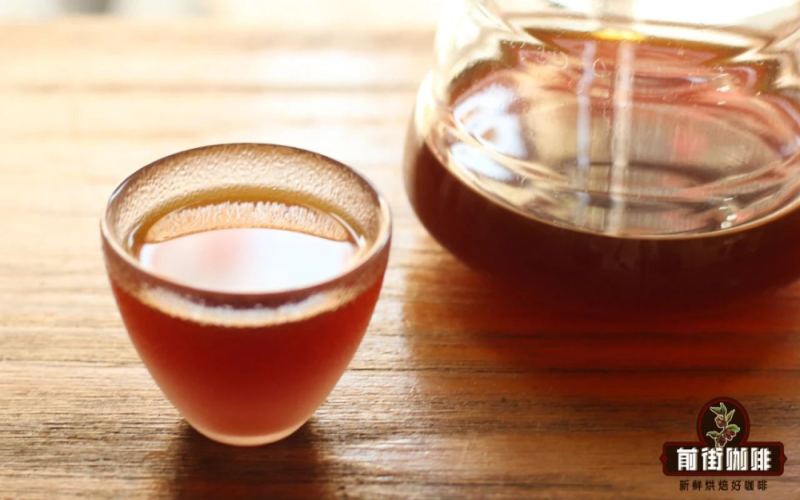
Pour-Over Single-Origin Coffee Tasting | Which Specialty Arabica Coffees Are Good for Pour-Over? 8 Must-Buy, Affordable, High-Quality Single-Origin Pour-Over Coffee Beans for Beginners
With the rise of third-wave specialty coffee culture in recent years, more and more people have fallen in love with "single-origin coffee." So-called "single-origin coffee" refers to coffee beans from a single growing region, and it usually also means higher-quality coffee; in roasting, adjustments are made to suit the characteristics of the origin and variety, so as to present the coffee in its purest form. [more…]
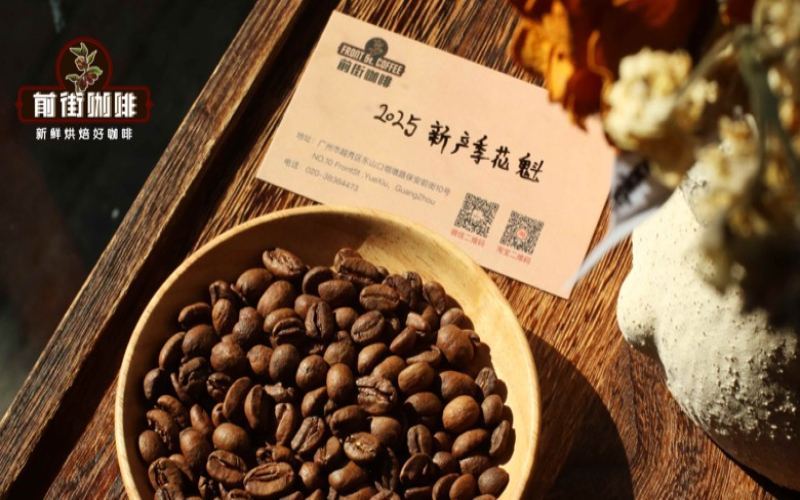
Arabica Espresso Origin Selection: A Comparison Between Ethiopian SOE and Central & South American SOE
When making espresso SOE with Arabica beans, the choice of origin directly determines the flavor direction of the espresso. Ethiopian SOE and Central-South American SOE are two entirely different paths, each with its own charm, suited to drinkers with different taste preferences. Ethiopian SOE takes the route of intense floral and fruity aromas. Huakui sun-dried beans [more…]
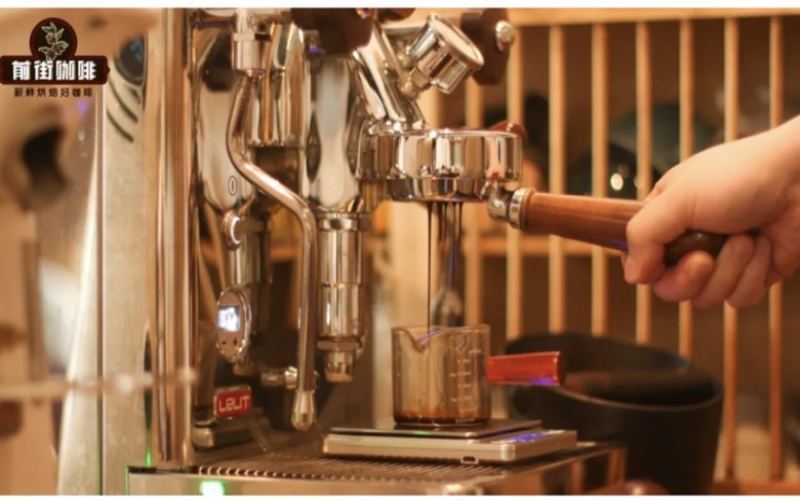
Single-Origin Espresso at Home: How to Pull SOE on a Home Machine
SOE is short for Single Origin Espresso, which means using beans from a single origin to make espresso. Trying SOE on a home semi-automatic espresso machine is the starting point for many coffee enthusiasts moving from blends to single-origin coffees. SOE has a narrower extraction window than blends, and on a home machine you need to [more…]
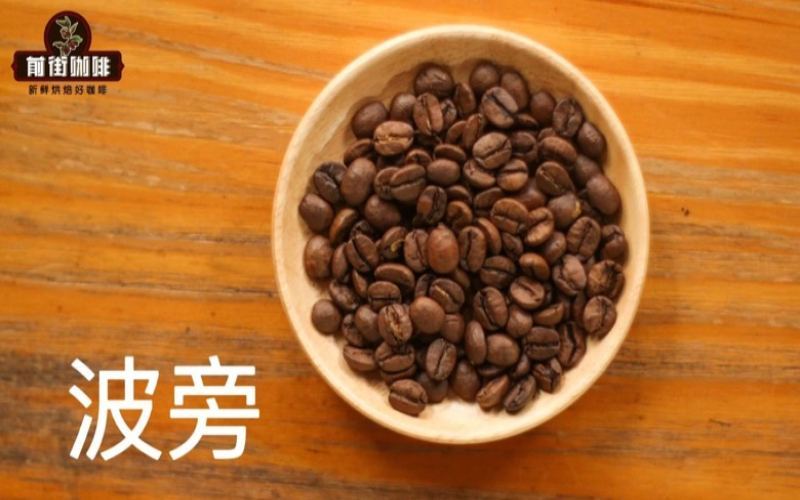
Coffee Bean Variety Guide: Understanding Typica, Bourbon, and Geisha at a Glance
In the world of coffee, origin sets the general direction, while variety determines the framework. Names like Typica, Bourbon, and Geisha often appear on bean lists, and what they look like and how their flavors differ are questions many beginners want to figure out. Typica: the ancient mother plant. Typica is a very early [more…]
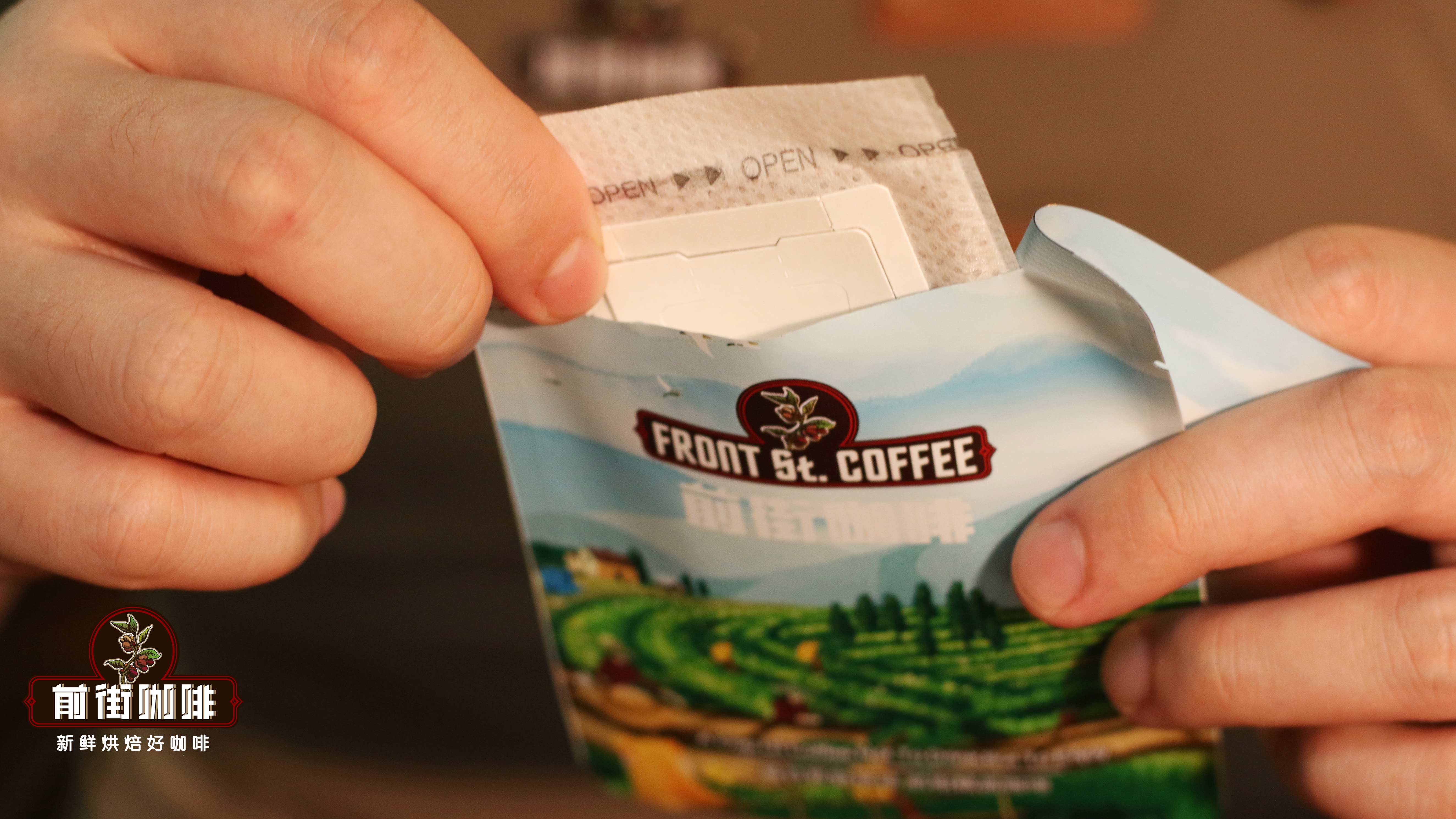
The Origin of Drip Coffee Bags | What Flavors Do Filter Coffee Bags Offer? Recommended Delicious and Affordable Single-Origin Drip Coffee Bags for Beginners
In 1990, Yamanaka Sangyo Co., Ltd. of Japan applied the concept of tea bags to coffee, inventing the drip bag coffee and applying for a patent. With the demand in the specialty coffee market, more and more people began to purchase drip bag coffee, in order to quickly and conveniently enjoy specialty coffee without needing to use a bunch of utensils and vessels. Front Street Coffee ( [more…]